




![settings.logos[0].icon](https://sigi-jordan25.s3.eu-central-1.amazonaws.com/877993618407682.png)

The term “women’s empowerment” has become widely used in our time. No initiative, program, or strategy is introduced without mentioning this term. But is it actually being used in its true sense, or merely as a slogan to manage a campaign or complete a project? And what does genuine women’s empowerment really mean?
At its core, women’s empowerment means building women’s capacities intellectually, legally, socially, politically, economically, ethically, and digitally, enabling women to acquire comprehensive knowledge across various areas so that they can claim their rights and, ultimately, access and exercise them.
It means enabling women to access suitable employment opportunities in safe working environments, allowing them to participate meaningfully in economic life.
It also means enabling women to participate in decision-making processes and, consequently, to take an active role in political life.
Women’s empowerment does not mean excluding men’s role, nor does it mean creating conflict between men and women. It does not mean eliminating women’s fundamental and sacred role in education, caregiving, and upbringing. Rather, it means enabling women to be partners alongside men in building society.
At its core, women’s empowerment means women exercising their rights without exceeding the boundaries of responsibility. As the saying goes, “Women are the counterparts of men”; their roles are complementary, working alongside men toward the advancement and prosperity of society and the nation.
This is the true objective that awareness-raising campaigns for women and girls should seek to achieve across all platforms and forums. Therefore, we need to stop introducing misconceptions that have stripped the concept of empowerment of its true meaning and turned it into a controversial term, accused of reversing gender roles and challenging social norms.
Finally, and by no means least, women’s empowerment can also be examined through the following figures:
Women’s participation in political life: Women currently hold approximately 20% of the seats in the most recent parliamentary elections, while women’s membership in political parties has reached approximately 42%.
Women’s participation in economic life: Women’s economic participation rate stands at approximately 14.7%.
Female unemployment: The unemployment rate among women stands at approximately 32.07%.
Approximately 85% of Jordanian women remain outside the labor market, despite the high levels of educational attainment among women in Jordan.
Women’s empowerment has become a societal necessity, rather than a luxury or merely a slogan. It should not be viewed as an attempt to exclude men, disrupt traditional roles, or challenge social norms. Rather, it is a fundamental framework for achieving social justice.
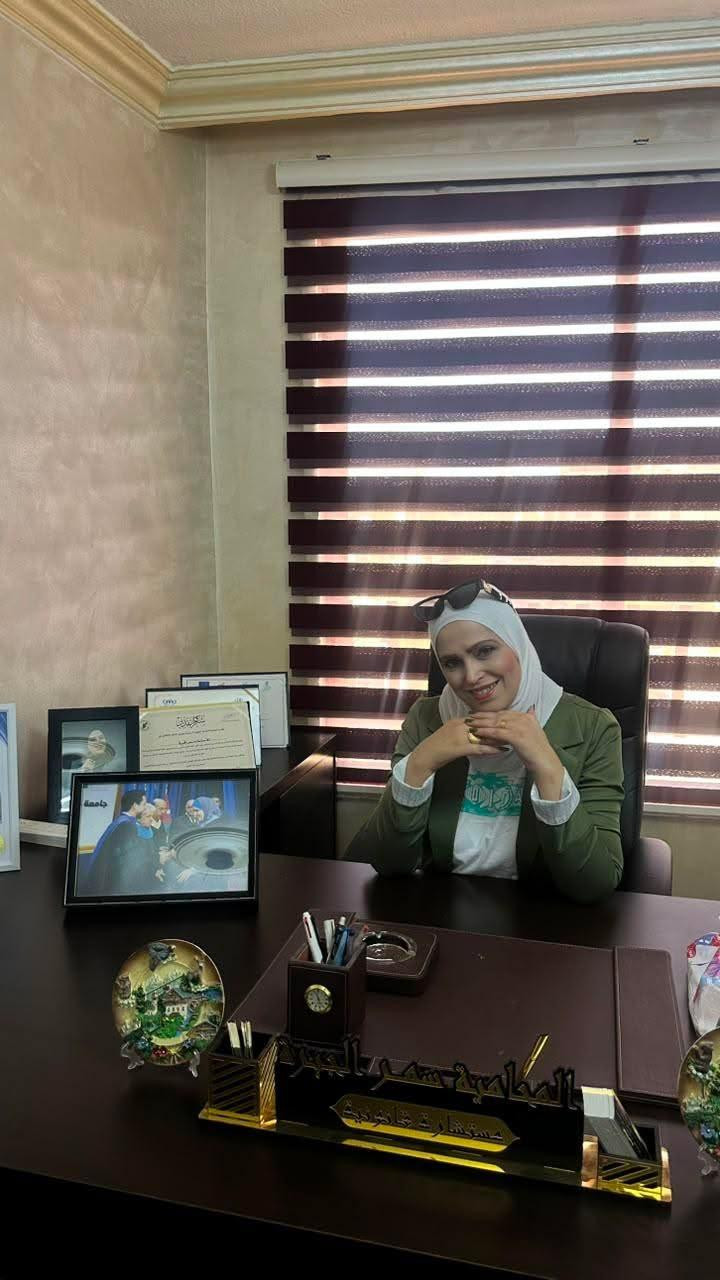
Ms. Samar Al-Jabrah
Women’s Empowerment: Between the True Concept and the Misconceptions That Have Stripped It of Its True Meaning
618
Leave a comment


