




![settings.logos[0].icon](https://sigi-jordan25.s3.eu-central-1.amazonaws.com/877993618407682.png)

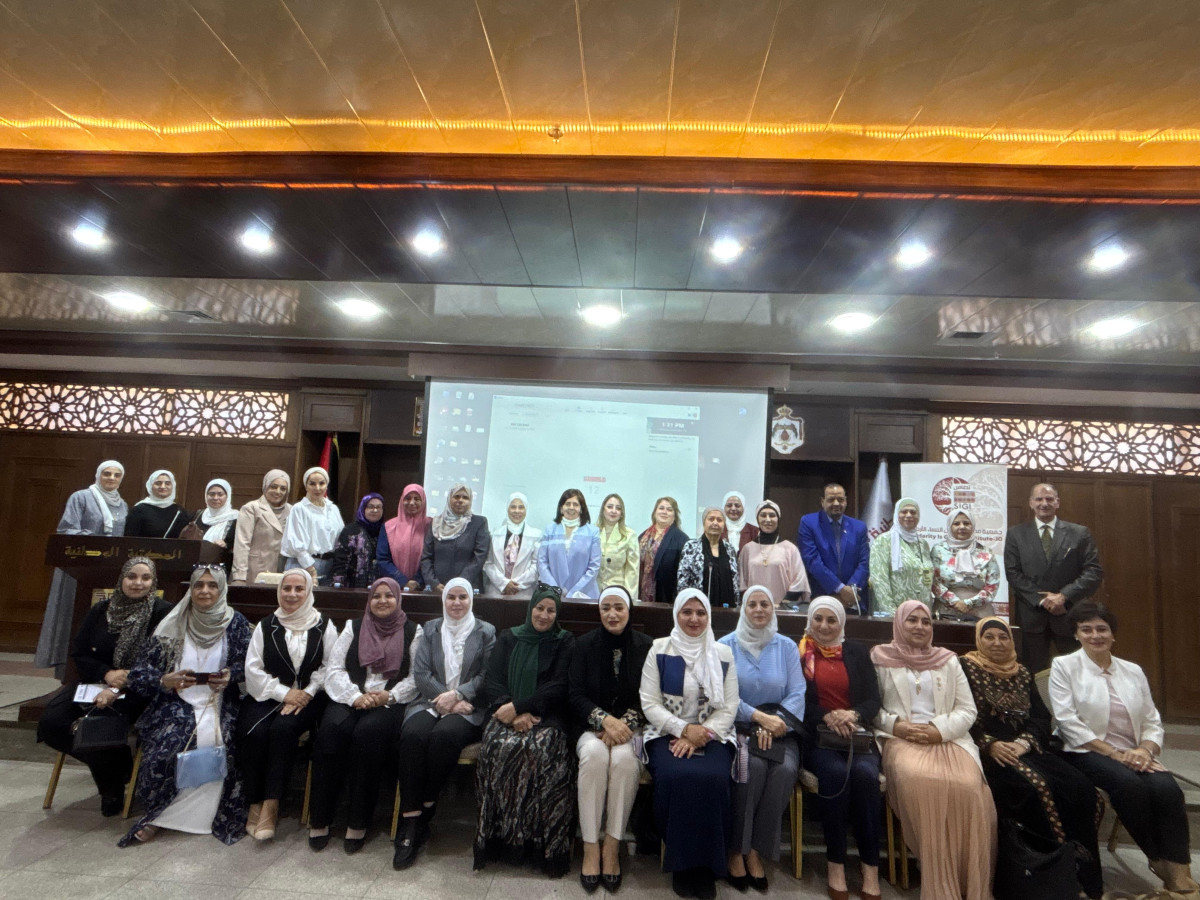
Amman –The Jordanian Women’s Union Institute “Tadamon” today held a specialized panel discussion on the potential implications of the United Nations’ “UN80” initiative for the rights of women and girls, gender equality, and sexual and reproductive health and rights, in light of the ongoing structural reform process of the United Nations system, including the proposal concerning the merger of **UN Women and the United Nations Population Fund (UNFPA).**
Held under the patronage of His Excellency Mr. Jamal Al-Shamayleh, Commissioner-General for Human Rights, the panel was organized as part of Tadamon’s efforts to provide a space for national and Arab dialogue on the reforms proposed under the UN80 initiative, and to discuss their opportunities, challenges, and potential implications for the human rights system, particularly the rights of women and girls. The discussion also sought to develop clear and actionable recommendations reflecting national priorities and strengthening the role of civil society organizations in the reform process.
The panel brought together representatives of national institutions, civil society organizations, experts, and specialists from Jordan and several Arab countries, both in person and online. Discussions focused on the importance of preserving institutional specialization, accumulated expertise, and programs and services related to the rights of women and girls, while exploring ways to achieve greater efficiency and coordination within the United Nations system without allowing reform to come at the expense of rights and gains already achieved.
In her welcoming remarks, Dr. Iman Al-Hussein, Chairperson of the Administrative Board of the Jordanian Women’s Union Institute “Tadamon,” stressed the importance of following international developments and issues that may have an impact on the rights of women and girls, as well as on the work of civil society institutions and national and international partnerships. She noted that advancing women’s rights and achieving gender equality require genuine partnerships among national institutions, civil society, international organizations, and national expertise.
Ms. Enam Al-Asha, Executive Director of the Jordanian Women’s Union Institute “Tadamon,” emphasized that the UN80 initiative represents a broad reform process for the United Nations system, covering operational, implementation, and structural aspects. She stressed that reform should lead to more effective performance and better use of resources, while maintaining clear mandates, specialization, accountability, and the ability of civil society, women, and women’s organizations to participate and influence decision-making.
Al-Asha explained that discussion of the proposed merger of UN Women and UNFPA should not begin from a predetermined position either in favor of or against the proposal, but rather from knowledge and evidence. This would allow for an assessment of the opportunities, risks, options, and alternatives, as well as an examination of the added value of each entity and what should be preserved under any future reform model.
She stressed that issues of gender equality, combating violence against women and girls, sexual and reproductive health and rights, participation, justice, and social protection are human rights and development issues that directly affect people’s lives and should not be approached solely from an administrative or financial perspective. She emphasized the importance of ensuring that any reform process is accompanied by clear safeguards to preserve expertise, services, spaces for participation, and accountability.
For his part, His Excellency Mr. Jamal Al-Shamayleh, Commissioner-General for Human Rights, affirmed that protecting women’s rights and advancing their role constitute a fundamental pillar of Jordan’s modernization process. He reviewed a number of constitutional, legislative, and political reforms that have strengthened the protection, empowerment, and participation of women.
Al-Shamayleh noted that the National Centre for Human Rights monitors these efforts through continuous monitoring and the protection of the rights gains achieved by girls and women, ensuring the sustainability of services and commitments related to sexual and reproductive health and rights, and reviewing legislation and policies to ensure a safe and equitable environment.
In the context of the UN80 initiative, Al-Shamayleh expressed support for international efforts aimed at improving institutional efficiency and enhancing performance. However, he stressed the need to approach the proposed merger of UN Women and UNFPA with caution and responsibility, warning that structural merger or budget reductions, if they fail to take into account the distinct mandates of each entity, could lead to a decline in the priority given to certain issues or to reductions in the level of programs and services provided to women and girls, particularly in the areas of reproductive health and the prevention of gender-based violence.
Dr. Issa Al-Masrawa, Secretary-General of the Higher Population Council, addressed the topic **“Merging United Nations Organizations: Pros and Cons,”** highlighting the opportunities and challenges associated with mergers and their potential implications for the effectiveness of UN operations, as well as the importance of diversity and specialization among UN mechanisms in advancing the protection of women’s rights and responding to their needs.
During the first session, gender expert Ms. Noha Muhreiz delivered a presentation on the UN80 initiative and the United Nations system, including the roles and mandates of its various entities, contributing to a clearer understanding of the overall framework and pathways of the proposed reforms.
Ms. Randa Sneyora, Director General of the Women’s Centre for Legal Aid and Counselling in Palestine, discussed the importance of diversity and specialization within UN mechanisms in strengthening the protection of women’s rights. Meanwhile, Ms. Nisreen Zureiqat, Commissioner for Promotion at the National Centre for Human Rights, provided a human rights perspective on institutional reform and its implications for the rights of women and girls.
The second session featured an Arab and comparative discussion on the impact of restructuring on women’s rights, governance, and empowerment, with the participation of experts and specialists from Jordan, Algeria, and Morocco.
Dr. Noor Mohammad Al-Kubaisi of BRC Jordan provided an analysis of **“The UN80 Initiative and the Impacts of Restructuring on Women’s Rights, Governance, and Empowerment.”** Dr. Fatima Zahra Wassous of BRC Algeria addressed the topic **“Reform or a Setback for Rights?”**, focusing on organizational cohesion and the reshaping of international protection for women’s rights, as well as sexual and reproductive health and rights.
Ms. Ruba Matarneh, Secretary-General of the Women’s Committees Union, presented a feminist perspective on the UN80 initiative, addressing the potenti


